What is Diabetic Retinopathy?
Type 1 and Type 2 diabetics are especially prone to eye disease. Diabetic retinopathy is a common form of diabetic eye disease that has the potential to cause vision loss and blindness.
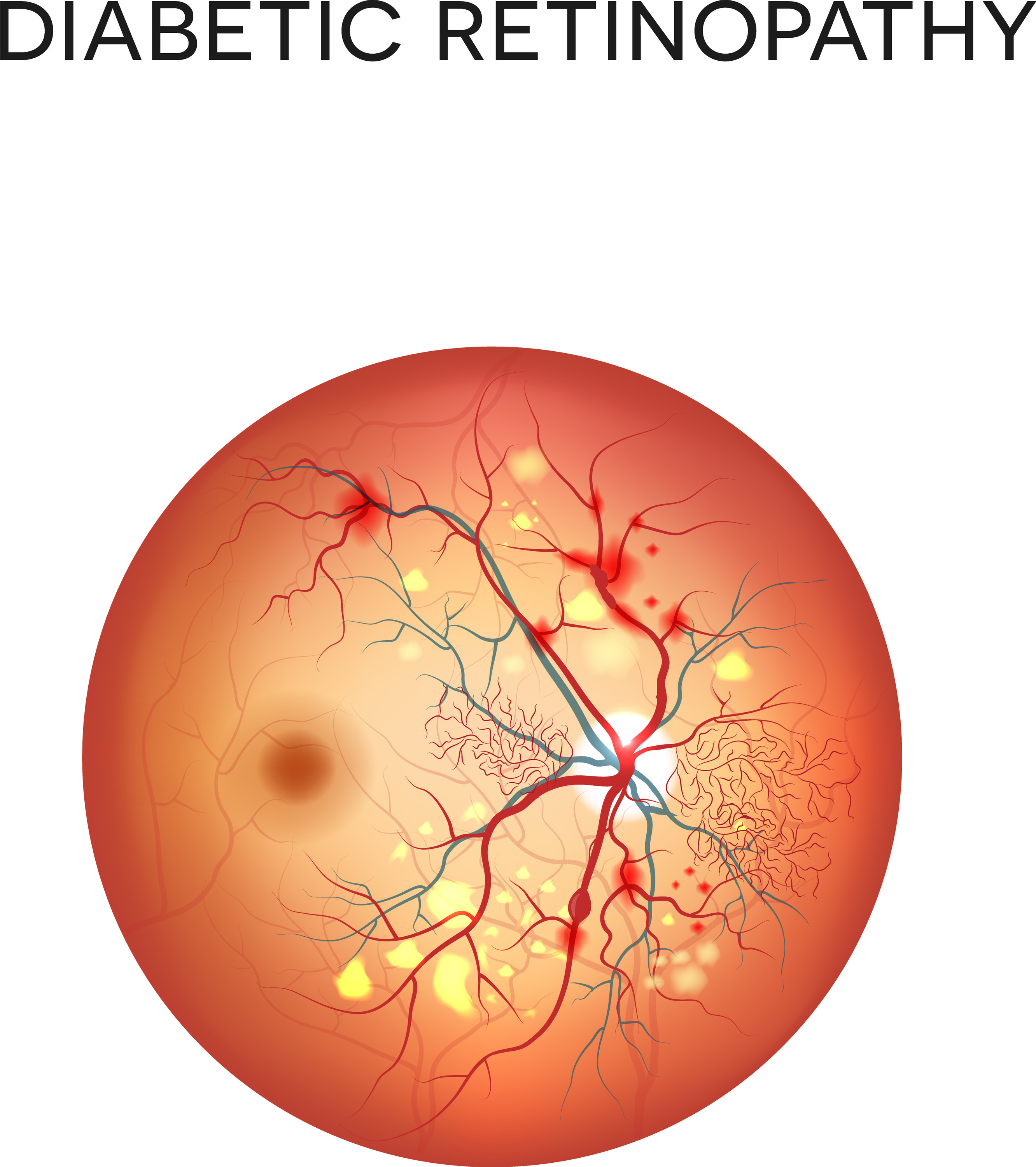
Diabetic retinopathy affects the blood vessels in the retina (the back of the eye). As these blood vessels become weak or damaged, they leak blood and fluid into the retinal tissue. Because the retina is responsible for converting light into signals that are sent to the brain, any damage to the retina will result in vision problems.
Stages of Diabetic Retinopathy
In the early stages of diabetic retinopathy, the retinal blood vessels will begin to swell and leak fluid in small areas. Left undetected, those blood vessels will eventually distort and close, preventing blood from flowing freely. In order to compensate for this lack of blood flow, abnormal blood vessels will actually grow on the inside surface of the retina. These newly formed blood vessels will be fragile and will not supply the retina with the blood flow necessary for healthy vision. They may cause bleeding and scar tissue to form.
Symptoms of Diabetic Retinopathy
Because this disease typically starts slow, there are usually no symptoms in the early stages. By the time it starts to impact your vision, the disease will be in a later stage of development. Regular eye exams are critical to detecting this disease early so treatment can be administered and vision preserved.
If you are diabetic and are experiencing any of the following symptoms, contact us immediately:
- Dark spots
- Floaters or strings in vision
- Vision loss
- Blurry vision
- Changes in color perception
Treatment for Diabetic Retinopathy
Not all cases of diabetic retinopathy will require treatment. However, if the disease is affecting your vision, we may recommend surgery. The right treatment will depend on the severity of your condition:
- Laser treatment: laser burns are performed to stop leaks of fluid and blood or to shrink abnormal blood vessels
- Vitrectomy: blood vessels, blood and scar tissue are removed from the vitreous gel in the eye
- Medications: steroids or anti-VEGF injections to reduce the risk of abnormal blood vessel growth may be recommended
You can help reduce your risk for developing or re-developing diabetic retinopathy by living a healthy lifestyle: exercising regularly and eating fresh, healthy foods.
All diabetics should have regular eye exams to identify the presence of serious eye conditions. Contact us today to schedule a diabetic eye exam.